
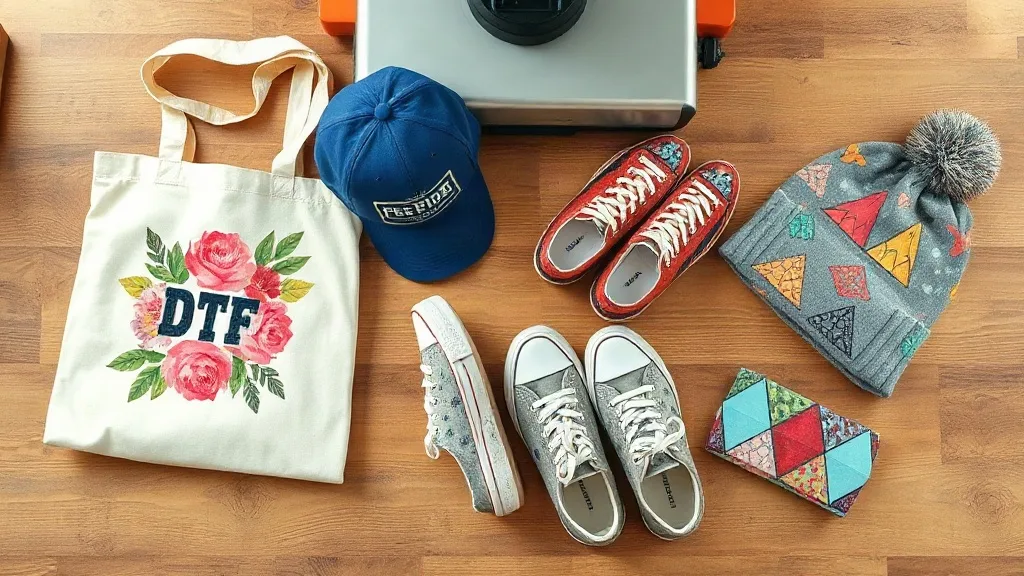
When you think about dtf transfers, the first image that pops into mind is probably a vibrant graphic on a cotton t-shirt. And sure, that's the bread and butter for most print shops. But here's the thing: limiting DTF to apparel is like using a smartphone only for calls. You're missing out on a world of possibilities that can set your business apart and boost your bottom line. In this guide, we're going beyond the tee and diving into the lucrative world of DTF on accessories. From tote bags to hats, and even shoes, we'll show you how to expand your product range, attract new customers, and maximize your dtf investment.
Why DTF Is a Game-Changer for Accessories
DTF (Direct to Film) printing has revolutionized the way we decorate fabrics. Unlike traditional screen printing or vinyl, DTF doesn't require expensive setup or minimum orders. You can print a single design and apply it to almost any fabric, including those tricky blends and synthetics. For accessories, this flexibility is gold. Think about it: a customer wants a custom tote bag with a detailed, full-color design. With DTF, you can produce it quickly and affordably, without the hassle of screens or cutting vinyl. Plus, DTF transfers adhere well to a variety of materials, from cotton canvas to polyester webbing, making them perfect for accessories that often mix materials.
Another advantage is durability. Accessories like bags and hats take a beating. DTF prints, when applied correctly, hold up to abrasion and washing, so your customers get a product that lasts. And because DTF produces a soft, stretchable print, it won't crack or peel on flexible items like beanies or stretchy headbands.
Top Accessories You Can Decorate with DTF
Ready to expand your product line? Here are some of the best accessories to apply DTF transfers to, along with tips for getting great results.
Tote Bags
Tote bags are a staple for promotional products, retail, and everyday use. They offer a large, flat surface that's easy to press. For best results, choose canvas or cotton tote bags, as they handle heat well. Pre-press the bag to remove wrinkles and moisture, then apply your DTF transfer at 300°F (150°C) for 10-15 seconds with medium pressure. Use a Teflon sheet or parchment paper to protect the print. Cold peel for a matte finish or hot peel for a glossy look, depending on your transfer type. Tote bags are also great for testing new designs because they're inexpensive and quick to produce.
Caps and Hats
Hats are a high-margin item, and custom hats are always in demand. But pressing a DTF transfer onto a curved surface can be tricky. You'll need a hat press or a specialized attachment for your heat press. The key is to apply even pressure across the curved area. Use a smaller transfer size to avoid wrinkles, and consider using a pressing pillow to support the hat's shape. Temperature should be around 280-300°F (140-150°C) for 10-15 seconds. Peel carefully while the transfer is still warm (hot peel) to prevent the film from sticking to itself. Hats with polyester blends work best, but cotton canvas hats also take DTF well.
Beanies and Winter Accessories
Beanies, scarves, and gloves are often made from stretchy materials like acrylic or polyester blends. DTF transfers are ideal because they stretch with the fabric without cracking. When pressing on stretchy items, use a pressing pillow to maintain the shape and apply firm pressure. Lower the temperature slightly to 280°F (140°C) to avoid scorching synthetic fibers. Use a cold peel for the best adhesion on stretchy fabrics, as hot peel can distort the print. These items are perfect for winter markets and holiday promotions.
Footwear
Custom shoes are a growing trend, and DTF can help you tap into it. Canvas sneakers, slip-ons, and even some leather shoes can be decorated with DTF transfers. The challenge is the uneven surface and the need for a strong bond. Use a shoe press or a small heat press with a curved attachment. Clean the surface thoroughly, pre-press to remove moisture, and apply at 300°F (150°C) for 15-20 seconds with firm pressure. Cold peel is recommended. Keep in mind that shoes endure more flexing, so choose designs with some flexibility and avoid placing transfers across the toe crease.
Bags and Backpacks
Beyond totes, you can decorate backpacks, fanny packs, and messenger bags. These often have zippers, seams, and uneven surfaces, so you'll need to position the transfer carefully. Use a pressing pillow or folded towel to create a flat area. For small items like fanny packs, a mini press works wonders. Apply at 300°F (150°C) for 10-15 seconds, and use a Teflon sheet to protect any plastic components from heat. DTF transfers adhere well to nylon and polyester, making them suitable for outdoor gear.
How to Price DTF Accessories for Profit
Pricing custom accessories can be tricky because the blank cost varies widely. A plain tote bag might cost $2, while a quality backpack could be $15 or more. Your pricing should cover materials, labor, and overhead, plus a healthy profit margin. A good rule of thumb is to aim for a 50-60% gross margin on accessories. For example, if a tote bag costs you $3 (blank + transfer + labor), price it at $8-10. Hats might cost $5 to make and sell for $15-20. Remember to factor in your design time and any special packaging. Offering bundles (e.g., a tote and matching pouch) can increase average order value. Also, consider your market: promotional products often have tighter margins, while retail and craft fairs can support higher prices.
Marketing DTF Accessories: Attracting the Right Customers
Once you have your product line, you need to get the word out. Here are some effective strategies:
- Social media: Post high-quality photos of your accessories in real-life settings. Use hashtags like #customtote, #dtfprinting, and #smallbusiness. Show behind-the-scenes videos of the DTF process to engage your audience.
- Local markets and craft fairs: Set up a booth with a variety of accessories. People love to touch and feel the quality. Offer on-the-spot customization for an added fee.
- Collaborate with local businesses: Reach out to cafes, boutiques, and gyms for custom branded merchandise. DTF is perfect for small batches of branded totes or hats.
- Online store: If you sell online, make sure your product photos show the details of the DTF print. Highlight the durability and softness in your descriptions.
When customers search for dtf transfers near me, they're often looking for a local provider who can deliver quickly. Make sure your business appears in local search results by optimizing your Google My Business profile and encouraging reviews. Offering fast turnaround on accessories can be a competitive advantage.
Common Pitfalls and How to Avoid Them
Applying DTF to accessories comes with its own set of challenges. Here are some common issues and solutions:
- Adhesion failure on coated materials: Some bags and hats have a water-repellent coating. Wipe the area with a lint-free cloth and isopropyl alcohol before pressing to improve adhesion.
- Melting synthetic fabrics: Always test a small area with a low temperature first. Use a heat-resistant pillow or pad to protect the item.
- Uneven pressure on curved surfaces: Invest in a hat press or use a pressing pillow to ensure even contact.
- Peeling after washing: Ensure you follow the correct peel method (hot vs. cold) for your transfer type. Also, wash accessories inside out in cold water and air dry to prolong life.
Frequently Asked Questions
Can I use DTF transfers on leather accessories?
Yes, DTF can adhere to leather, but it requires careful temperature control. Leather can scorch easily, so use a lower temperature (around 250-270°F) and press for a shorter time (8-10 seconds). Test on a scrap piece first. Also, choose a transfer with a flexible adhesive to accommodate leather's natural flex.
What's the best way to press a DTF transfer onto a curved hat?
Use a dedicated hat press or a curved attachment for your heat press. Place the hat on the lower platen, ensuring the area to be printed is flat and taut. Apply medium pressure and press for 10-15 seconds at 280-300°F. Peel while hot for best results. Practice on an inexpensive blank first.
How do I prevent DTF transfers from cracking on stretchy accessories like beanies?
Choose a high-quality DTF transfer with a stretchable adhesive. When pressing, use a pressing pillow to maintain the item's shape and apply firm, even pressure. Cold peel is generally better for stretchy fabrics. Also, avoid over-stretching the item during application.
Can I apply DTF transfers to waterproof bags?
Waterproof materials like nylon or vinyl can be challenging. Clean the surface with alcohol to remove any release agents, then pre-press to remove moisture. Use a lower temperature (around 280°F) and press for 15-20 seconds. Cold peel is recommended. Test adhesion by stretching the area gently after cooling.
How should I price custom DTF accessories to stay competitive?
Calculate your total cost (blank, transfer, labor, overhead) and aim for a 50-60% gross margin. Research competitors' prices for similar items. Offer volume discounts for bulk orders and consider bundling accessories to increase average order value. Don't undervalue your work; quality custom accessories command premium prices.