
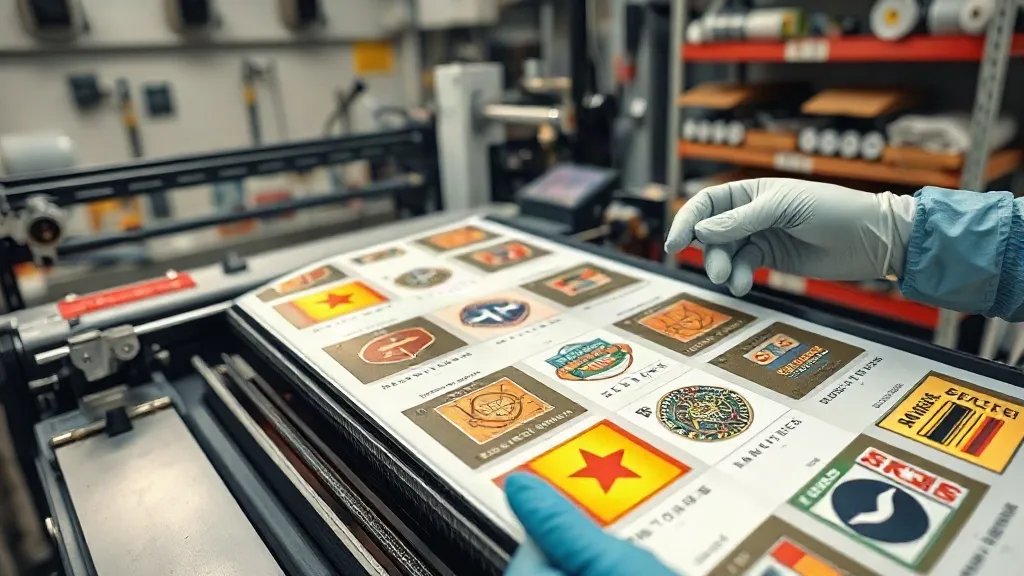
You have probably spent hours perfecting your DTF Gangsheet layout, checking resolutions, and nesting artwork to squeeze every inch out of the sheet. But here is a question that rarely gets asked: is your film actually helping you save money, or is it quietly eating into your margins? The truth is, film selection is one of the most overlooked cost drivers in DTF printing. The wrong film can cause powder adhesion issues, ink smearing, or transfer failures that force you to reprint entire sheets. The right film, on the other hand, can make your gangsheets more reliable, reduce waste, and even speed up production. In this article, we will look at how film choice impacts your bottom line and how to pick the best option for your shop.
Why Film Choice Matters More Than You Think
When you build a DTF Gangsheet, you are essentially creating a single transfer sheet that holds multiple designs. The film you use is the foundation of that sheet. If the film is too thin, it may wrinkle or jam in the printer. If it is too thick, it might not adhere properly during pressing. Both scenarios lead to wasted ink, powder, and time. And time, as we all know, is money.
Beyond the immediate print quality, film selection affects how easily you can handle the sheet after printing. A good film releases cleanly from the transfer paper, holds the powder evenly, and withstands the heat of the press without curling or melting. Cheaper films often skimp on these properties, leading to more frequent failures and higher overall costs.
Types of DTF Film and Their Trade-offs
There are two main types of DTF film: cold peel and hot peel. Each has its own advantages and disadvantages, and the right choice depends on your workflow and the materials you print on.
Cold Peel Film
Cold peel film requires you to wait until the transfer is completely cool before peeling off the carrier sheet. This slows down production, but it is often more forgiving for intricate designs or when working with certain fabrics. Cold peel film tends to be slightly cheaper, but the extra time can add up if you are running a high-volume shop.
Hot Peel Film
Hot peel film allows you to remove the carrier sheet while the transfer is still hot, which speeds up the process significantly. It is ideal for high-volume production and for designs with fine details. However, hot peel film can be less forgiving if your press temperature or pressure is off. It also tends to cost a bit more per sheet.
When building your DTF Gangsheet, consider the complexity of your designs and your production speed. If you are printing large batches of simple logos, hot peel film can save you hours. For one-off custom pieces with lots of detail, cold peel might give you better results.
How Film Thickness Affects Your Gangsheet
Film thickness is measured in microns. Common thicknesses range from 75 to 100 microns. Thinner films (75-80 microns) are more flexible and conform better to curved surfaces, but they can be more prone to wrinkling during printing. Thicker films (90-100 microns) are more rigid and easier to handle, but they may feel stiffer on the final garment.
For a DTF Gangsheet, the film needs to be sturdy enough to hold multiple designs without stretching or tearing. A 75-micron film might work for small, simple designs, but if you are filling a large sheet with heavy ink coverage, a thicker film will provide better stability.
The Hidden Costs of Cheap Film
It is tempting to save a few cents per sheet by buying the cheapest film available. But cheap film often comes with hidden costs:
- More frequent jams: Thin or low-quality film can misfeed, causing you to waste an entire sheet.
- Poor powder adhesion: If the film surface is not formulated correctly, the adhesive powder may not stick evenly, leading to cracked or peeling transfers.
- Inconsistent release: Cheap film may not release cleanly from the carrier, leaving residue on the garment or damaging the design.
- Shorter shelf life: Some films degrade over time, especially if exposed to humidity, which can ruin your stock.
When you add up the cost of wasted ink, powder, and labor, that "savings" disappears quickly. Investing in quality film reduces reprints and keeps your production running smoothly.
Matching Film to Your Printer and Ink
Not all films work well with all printers. Some printers are designed for specific film types, and using the wrong film can void your warranty or cause clogs. Check your printer manufacturer's recommendations. For example, if you use a printer with a high-viscosity ink, you may need a film with a special coating to prevent smudging.
Similarly, the powder you use should be compatible with your film. Some films have a treated surface that enhances powder adhesion, while others require a specific type of powder. Always test a small batch before committing to a full roll.
Maximizing Film Efficiency in Your Gangsheet
Once you have chosen the right film, you can further cut costs by optimizing how you use it. Here are some practical tips:
- Nest designs tightly: Use nesting software to arrange designs with minimal gaps. This reduces film waste and lowers your cost per transfer.
- Standardize sheet sizes: Instead of cutting film to custom sizes for each job, use standard sheet sizes that fit your printer. This reduces trimming waste and speeds up production.
- Reuse offcuts: For small designs, collect offcuts from larger sheets and use them for test prints or small orders.
- Monitor humidity: Film can absorb moisture, which affects print quality. Store film in a dry, cool place and keep it sealed until use.
By treating film as a strategic resource rather than an afterthought, you can significantly reduce your cost per transfer.
Case Study: How One Shop Cut Costs by 20%
A small apparel decoration shop in the Midwest was struggling with frequent reprints due to film failures. They were using a generic, low-cost film that often wrinkled in the printer and caused powder adhesion issues. After switching to a higher-quality hot peel film and optimizing their DTF Gangsheet nesting, they reduced reprints by 30% and cut film waste by 20%. The initial higher film cost was offset within two months by the savings in ink, powder, and labor.
This illustrates that film selection is not just about the price per sheet; it is about the total cost of production.
Frequently Asked Questions
What is the best film thickness for a DTF Gangsheet with large designs?
For large designs with heavy ink coverage, a thicker film (90-100 microns) is recommended. It provides better stability and reduces the risk of stretching or tearing during printing and handling.
Can I use cold peel film with a hot peel workflow?
No, cold peel film requires the transfer to cool completely before peeling. Attempting to hot peel cold peel film will likely result in the design sticking to the carrier sheet or damaging the fabric. Always match the film type to your workflow.
How does film affect the durability of the transfer?
Film quality directly impacts durability. A good film ensures even powder adhesion and a clean release, which leads to a strong bond with the fabric. Cheap film may cause the transfer to crack or peel after a few washes.
Is it worth spending more on premium film for small batch printing?
Absolutely. Premium film reduces the risk of failures, which is especially important for small batches where each piece counts. The time and material savings from avoiding reprints often outweigh the higher film cost.
How should I store DTF film to maintain its quality?
Store film in a cool, dry place away from direct sunlight. Keep it in its original packaging or a sealed container to prevent moisture absorption. Avoid stacking heavy objects on top of film rolls, as this can cause deformation.