
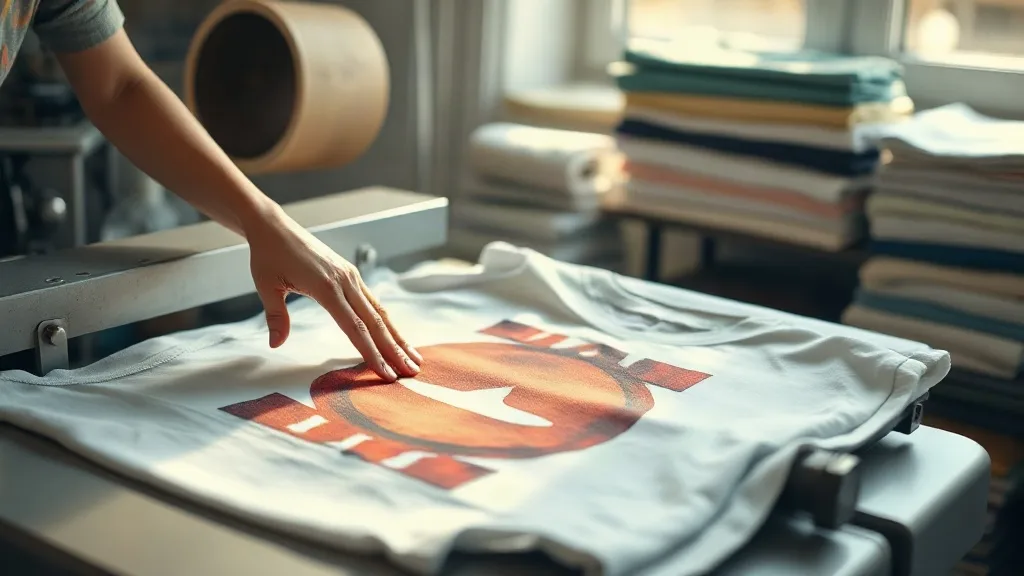
The first time a customer sends back a shirt with a spiderweb of cracks across the chest, most decorators blame the film. It is the easy answer. But after pressing thousands of dtf transfers and watching which ones survive fifty washes and which ones fail in three, the pattern becomes obvious: the film is almost never the culprit. Heat, pressure, timing, and how the garment is treated after it leaves your shop decide whether a print looks new in a year or looks like a dried riverbed in a month.
This guide walks through the actual failure points, in the order they tend to happen, so you can diagnose a bad batch instead of guessing. If you press dtf regularly, at least one of these will sound familiar.
Start With the Powder Cure, Not the Press
Cracking often begins before the transfer ever touches fabric. Adhesive powder that is undercured leaves a weak bond between ink and fabric, and no amount of extra pressing time will fully rescue it. When the powder is properly melted, the ink layer flexes with the shirt. When it is not, the ink layer behaves like a rigid sheet of plastic sitting on a stretchy surface, and the first real stretch cracks it.
Signs of an undercured powder layer
- The print feels slightly tacky or grainy on the back before pressing
- Powder brushes off easily when you tilt the sheet
- Edges of the design look thin or translucent after transfer
- Cracks appear first along the highest-stretch areas, like shoulders and hems
A simple check: after curing, bend a scrap corner of the sheet between your fingers. It should flex without the ink flaking off the carrier film. If flakes fall away, your cure temperature or dwell time needs attention before you press another garment.
Pressure and Temperature: The Two Numbers People Get Wrong
Most cracking complaints trace back to one of two mistakes: too little pressure or too much heat for too long. Low pressure means the adhesive never fully penetrates the fabric weave, so the print sits on top like a sticker. High heat for an extended dwell time over-cures the adhesive, making it brittle.
A reliable starting point for cotton and cotton blends is around 150 to 160 degrees Celsius with medium to firm pressure for 10 to 15 seconds, peel hot or cold depending on your film. Polyester needs more caution because the fabric itself can scorch or dye-migrate. Always test on a scrap of the exact garment you plan to sell, not a similar-looking one from a different supplier.
How to tell if pressure is the problem
Press a test piece and look closely at the texture of the print. If you can still see the individual threads of the fabric pressing through the ink, pressure is too low. If the print looks glossy, flattened, and slightly shiny at the edges, you are likely over-pressing.
Why Stretch Fabrics Crack Faster
A print on a rigid canvas tote will outlast a print on a stretch jersey every time, and that is physics, not bad luck. When fabric stretches, the ink layer has to stretch with it. Designs with large solid blocks of color have less room to flex than fine line work, which is why big chest logos are the first to show damage.
If you print a lot on performance wear, athletic blends, or anything with elastane, consider a slightly lower press temperature and a slightly longer dwell, and always do a stretch test after pressing. Pull the fabric gently in four directions while the print is still warm. Small hairline cracks at this stage mean the bond is already compromised.
Storage Habits That Quietly Ruin Transfers
Film that sits in a humid room, gets stacked under heavy boxes, or is exposed to direct sunlight will press badly even if your settings are perfect. Moisture is the worst offender because it interferes with the adhesive during transfer.
- Store sheets flat in a sealed bag or drawer, away from windows
- Keep the room dry, especially in coastal or rainy climates
- Do not fold sheets sharply, as creases can transfer as visible lines
- Use stock in rotation so older film does not sit for months
If you are sourcing locally and searching for dtf transfers near me, ask how the supplier stores stock before shipping. A supplier who ships flat and sealed saves you a whole category of problems.
The Wash Care Conversation Nobody Has
You can press a perfect shirt and still get a complaint if the customer washes it inside out at 60 degrees and tumbles it dry on high. The print was never designed for that. A short care note included with every order prevents most of these conversations.
Recommended guidance: wash inside out on a cool or warm cycle, avoid fabric softener directly on the print, and either hang dry or tumble on low. Wait at least 24 hours after pressing before the first wash so the adhesive fully settles.
A Quick Diagnostic Checklist
- Bend a scrap of cured film. Flaking means a powder cure issue.
- Check the print texture after pressing. Visible weave means low pressure.
- Stretch the warm print in four directions. Cracks mean a weak bond.
- Inspect the garment for moisture or creases before pressing.
- Confirm the customer's wash routine before replacing a failed order.
Work through these in order and you will usually land on the real cause within a few test presses. Most shops find it is one repeated habit, not a random defect, and fixing it eliminates the problem across every future order.
Frequently Asked Questions
Can I fix a cracked DTF print after it has already been washed?
Not really. Once the ink layer has cracked, repressing will not restore it, and adding heat can make the edges worse. The practical fix is to remove the print with a proper remover or press a new transfer over a clean area, then correct whatever caused the original failure.
Does a higher press temperature make prints more durable?
No, and this is a common trap. Pushing temperature too high makes the adhesive brittle and can scorch polyester. Durability comes from correct pressure, a properly cured powder layer, and matching settings to the specific fabric.
Why do my prints crack only after several washes?
Delayed cracking usually points to a partial bond. The print survives the first wash because the adhesive is holding on at the edges, then gradually lifts and cracks as the fabric flexes. It is often a pressure or moisture issue rather than a film defect.
Should I peel hot or cold?
It depends on the film you buy. Follow the supplier's instruction sheet, because peeling at the wrong temperature can stretch the ink layer and create stress points that crack later. When in doubt, test both on scrap before committing to a full run.
How long should a well-pressed DTF print last?
With correct pressing and normal wash care, a print on cotton or a cotton blend can hold up for many months of regular wear without visible cracking. Performance fabrics and heavy stretch garments will always show wear sooner, which is worth communicating to customers upfront.