
If you've been exploring custom apparel printing, you've likely encountered DTF transfers. This innovative technology is rapidly becoming a favorite among crafters, small business owners, and large-scale manufacturers alike. But what exactly makes DTF transfers so special? In this guide, we'll dive deep into the world of DTF transfers, from the science behind them to practical tips that ensure flawless results every time. Whether you're a seasoned pro or just starting out, understanding DTF transfers can elevate your custom clothing game to new heights.
What Are DTF Transfers?
DTF stands for Direct to Film. Unlike traditional methods like screen printing or heat transfer vinyl (HTV), DTF transfers involve printing a design onto a special film, coating it with adhesive powder, and then heat-pressing it onto fabric. The result is a vibrant, durable print that adheres to a wide range of materials, including cotton, polyester, blends, and even leather. The process is relatively simple, but the technology behind it is sophisticated, allowing for intricate details and full-color gradients that other methods struggle to reproduce.
How DTF Transfers Work: Step by Step
Understanding the workflow of DTF transfers helps you appreciate their versatility and troubleshoot issues. Here's a breakdown of the key steps:
- Design Preparation: Create your artwork using graphic software. Remember to mirror the image horizontally before printing, as the transfer will be flipped during application.
- Printing: A DTF printer uses special inks (usually CMYK plus white) to print the design onto a PET film. The white ink acts as a base, ensuring opacity on dark fabrics.
- Powder Application: While the ink is still wet, a thermoplastic powder is applied evenly over the print. This powder will melt during heat pressing to bond the ink to the fabric.
- Curing: The film is then heated to melt the powder, creating a smooth, dry surface. This step is crucial for durability.
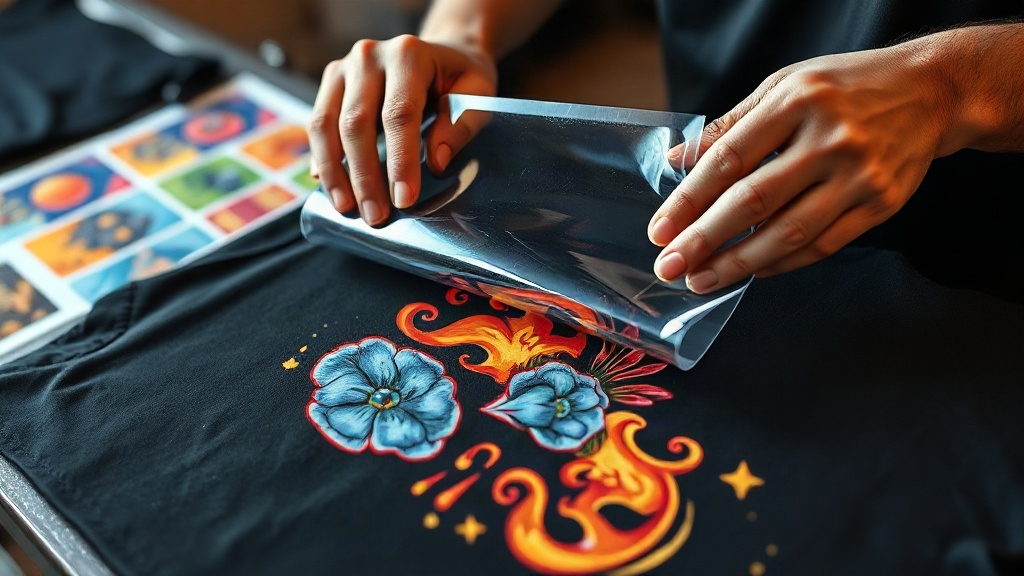
- Transfer: Finally, the film is placed on the garment and heat-pressed. After cooling, the film is peeled away, leaving the vibrant design behind.
Each step requires attention to detail, but once mastered, DTF transfers offer incredible consistency and quality.
Why Choose DTF Transfers Over Other Methods?
DTF transfers have several advantages that make them stand out:
- Versatility: They work on almost any fabric, including those that are difficult for other methods, like nylon or canvas.
- No Weeding: Unlike HTV, there's no tedious weeding process. This saves time and reduces waste.
- Durability: When applied correctly, DTF prints withstand repeated washing without cracking or fading.
- Color Vibrancy: The white ink base allows for bright, opaque colors on dark garments, which is a challenge for DTG (Direct to Garment) printing.
- Cost-Effective for Small Runs: DTF transfers are economical for small batches, as there's no need for screens or setup fees.
These benefits make DTF transfers an attractive option for businesses and individuals looking to produce high-quality custom apparel efficiently.
Common Challenges and How to Overcome Them
While DTF transfers are user-friendly, some common issues can arise. Here's how to tackle them:
Adhesion Problems
If the transfer peels off after washing, it's likely due to insufficient pressure, incorrect temperature, or under-curing of the powder. Ensure your heat press is calibrated and follow the recommended settings for your specific film and fabric.
Dull or Faded Colors
This often happens when the white ink layer is too thin or the powder application is uneven. Check your printer's white ink density and apply powder generously, shaking off excess.
Film Sticking to the Press
Using a Teflon sheet or parchment paper between the film and the heat press can prevent sticking. Also, make sure the film is completely cool before peeling.
By addressing these issues proactively, you can achieve professional-looking results consistently.
DTF Transfers vs. Other Printing Methods
To help you decide if DTF is right for your project, here's a quick comparison:
- DTF vs. Screen Printing: Screen printing is cost-effective for large orders but requires setup and is limited to simpler designs. DTF excels in detailed, multi-color designs and small runs.
- DTF vs. HTV: HTV is great for simple shapes and text but involves weeding and layering. DTF handles complex images without weeding.
- DTF vs. DTG: DTG prints directly onto fabric, often requiring pre-treatment. DTF offers better opacity on dark colors and works on more fabric types.
Each method has its place, but DTF transfers shine when you need vibrant, durable prints on diverse materials with minimal fuss.
Applications of DTF Transfers
The versatility of DTF transfers opens up a world of possibilities:
- Custom T-shirts: Perfect for personalizing tees for events, teams, or resale.
- Sportswear: Ideal for jerseys and activewear, as the prints stretch with the fabric.
- Denim and Jackets: Adds a pop of color to denim without the stiffness of some other transfers.
- Bags and Accessories: Great for tote bags, backpacks, and even shoes.
- Home Decor: Personalize pillows, aprons, and more.
From small business branding to one-of-a-kind gifts, DTF transfers deliver impressive results.
Tips for Perfect DTF Transfers
To ensure your DTF transfers look professional and last, keep these tips in mind:
- Preheat the Garment: This removes moisture and wrinkles, ensuring better adhesion.
- Use the Right Pressure: Medium to firm pressure is typically needed. Adjust based on your press and film recommendations.
- Test Your Settings: Always do a test press on a scrap fabric to dial in temperature, time, and pressure.
- Cool Before Peeling: Wait for the transfer to cool completely before peeling the film. This prevents the design from stretching or tearing.
- Wash Inside Out: To prolong the life of your print, wash garments inside out in cold water and avoid harsh detergents.
Following these practices will help you achieve consistent, high-quality results.
Frequently Asked Questions About DTF Transfers
How long do DTF transfers last?
With proper application and care, DTF transfers can last as long as the garment itself. They resist cracking, peeling, and fading even after multiple washes.
Can I use DTF transfers on dark colors?
Absolutely. The white ink base in DTF transfers ensures that colors remain vibrant and opaque on dark fabrics, unlike some other methods.
Do I need a special printer for DTF transfers?
Yes, you need a DTF printer that uses DTF inks and can handle the film. However, many online services offer DTF transfer printing if you don't want to invest in equipment.
What fabrics work best with DTF transfers?
DTF transfers adhere well to cotton, polyester, blends, nylon, leather, and more. They are not recommended for fabrics with heavy coatings or waterproof treatments.
How do I store unused DTF transfers?
Store them in a cool, dry place away from direct sunlight. Keep them flat to prevent creasing, and use them within a few months for best results.
Conclusion
DTF transfers are a game-changer in the world of custom apparel. Their ability to produce vibrant, durable prints on a wide range of fabrics makes them an invaluable tool for anyone looking to create professional-grade clothing. By understanding the process, avoiding common pitfalls, and following our tips, you can harness the full potential of DTF transfers. Whether you're running a business or crafting for fun, DTF transfers offer endless possibilities for creativity and personalization.