
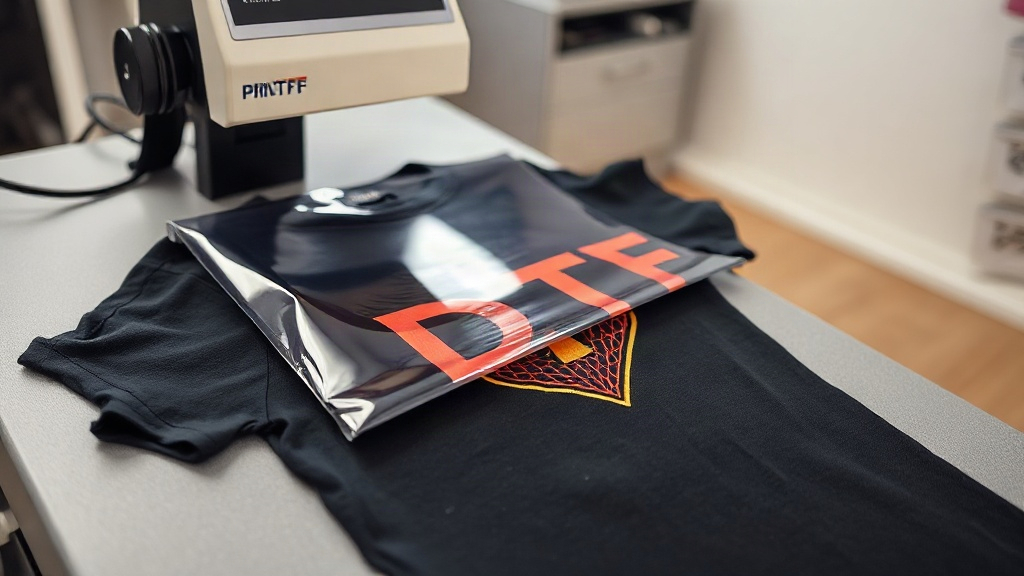
Imagine pressing a vibrant, full-color design onto a dark cotton t-shirt without worrying about color limitations or fabric type. That's the promise of DTF transfers, a technology that has taken the garment decoration world by storm. Unlike traditional screen printing or vinyl cutting, DTF (Direct to Film) offers unmatched versatility and simplicity. Whether you're a small business owner, a hobbyist, or a professional printer, understanding DTF transfers can open up a world of creative possibilities. In this guide, we'll walk you through everything you need to know, from the basics to advanced tips, so you can achieve professional results every time.
What Are DTF Transfers?
DTF transfers are printed designs on a special film that can be heat-pressed onto various fabrics. The process involves printing your artwork onto a PET film using specialized DTF inks (usually pigment-based) and a white ink layer. After printing, a hot-melt adhesive powder is applied to the wet ink, which acts as a glue when heated. Once the powder is cured, the transfer is ready to be applied using a heat press. The result is a soft, stretchable, and durable print that adheres to cotton, polyester, blends, and even treated nylon. Because the white ink layer acts as a base, DTF transfers can produce bright, opaque colors on dark garments without the need for multiple screens or color separation.
Why DTF Transfers Are Revolutionizing Custom Apparel
The rise of DTF transfers isn't just hype; it's backed by real advantages that solve common pain points in garment printing.
No Color Limits
With DTF, you can print photorealistic images, gradients, and fine details without worrying about color count. This makes it ideal for small businesses that offer personalized products.
Works on Almost Any Fabric
From 100% cotton to polyester, blends, and even leather, DTF transfers adhere well to a wide range of materials. This versatility means you can offer more products without investing in multiple printing methods.
Low Setup Cost
Unlike screen printing, which requires screens for each color, DTF has minimal setup. You can print one-off designs or short runs cost-effectively, making it perfect for on-demand printing.
Durability and Stretch
When applied correctly, DTF transfers withstand repeated washing and stretching without cracking or fading. The prints remain vibrant and soft to the touch.
How to Apply DTF Transfers: Step-by-Step
Applying DTF transfers is straightforward, but following the right steps ensures a professional finish that lasts.
Step 1: Prepare Your Heat Press
Set your heat press to the recommended temperature, typically 325°F (160°C). Pre-press the garment for a few seconds to remove moisture and wrinkles. This step is crucial for proper adhesion.
Step 2: Position the Transfer
Place the DTF transfer on the garment with the printed side facing up. If your transfer has a white backing (the adhesive side), make sure it's facing down against the fabric. Use heat-resistant tape if needed to keep it in place.
Step 3: Press the Transfer
Apply medium to firm pressure for 10-15 seconds. The exact time may vary depending on your press and the transfer size, so always follow the instructions provided by your transfer supplier. For best results, use a press with consistent pressure.
Step 4: Peel the Film
After pressing, wait a few seconds for the transfer to cool slightly. Then, peel the film off in a smooth, steady motion. For a matte finish, peel while hot; for a glossy finish, peel when cold. This is known as hot peel vs. cold peel.
Step 5: Post-Press for Durability
For extra durability, cover the design with a Teflon sheet or parchment paper and press again for 5-10 seconds. This ensures the adhesive fully cures and the print withstands washing.
Common Mistakes to Avoid with DTF Transfers
Even though DTF is forgiving, these pitfalls can ruin your results:
- Insufficient pressure: Without enough pressure, the transfer won't adhere properly, leading to peeling.
- Wrong temperature: Too hot and the film may melt or the ink may scorch; too cold and the adhesive won't activate.
- Not pre-pressing: Moisture in the fabric can cause steam pockets and poor adhesion.
- Peeling too fast: Rushing the peel can distort the design or leave adhesive residue.
- Ignoring fabric type: While DTF works on many fabrics, some treated nylon or waterproof materials may require special low-temperature transfers.
DTF vs. Other Transfer Methods
How does DTF stack up against other popular techniques?
DTF vs. Screen Printing
Screen printing is cost-effective for large orders of simple designs, but DTF wins for complex, multi-color designs and small batches.
DTF vs. Vinyl
Vinyl is great for simple text and shapes, but DTF handles gradients and photos with ease, and it's more durable on stretchy fabrics.
DTF vs. DTG
DTG (Direct to Garment) prints directly onto fabric, which is excellent for 100% cotton but struggles with polyester. DTF adheres to more materials and often produces more vibrant colors on dark garments.
Tips for Perfect DTF Transfers
Take your DTF game to the next level with these expert tips:
- Store transfers properly: Keep them in a cool, dry place away from direct sunlight to prevent the adhesive from drying out.
- Use a quality heat press: A reliable press with even pressure and accurate temperature control is key.
- Test on scrap fabric: Before pressing a final product, test on a similar fabric to dial in your settings.
- Wash inside out: Advise customers to wash garments inside out in cold water and avoid fabric softeners to extend the life of the print.
- Experiment with finishes: Try different peel methods (hot vs. cold) to achieve the desired texture.
Frequently Asked Questions About DTF Transfers
How long do DTF transfers last?
With proper application and care, DTF transfers can last as long as the garment itself, often 50+ washes without significant fading or cracking.
Can I use DTF transfers on 100% polyester?
Yes, DTF transfers work well on polyester. However, because polyester is heat-sensitive, you may need to lower the temperature slightly (around 300°F) and use a shorter press time to avoid scorching.
Do I need a special printer for DTF transfers?
Yes, DTF printing requires a dedicated DTF printer with DTF inks and a shaker machine for applying adhesive powder. Alternatively, you can buy pre-printed transfers from a supplier.
What is the difference between hot peel and cold peel DTF transfers?
Hot peel transfers are peeled immediately after pressing while still hot, resulting in a slightly matte finish. Cold peel transfers are allowed to cool completely before peeling, giving a glossier, smoother finish. The choice depends on your preference and the transfer type.
Can I layer DTF transfers?
Yes, you can layer DTF transfers, but it's best to press each layer separately and use a lower temperature for subsequent presses to avoid disturbing the underlying layer.