
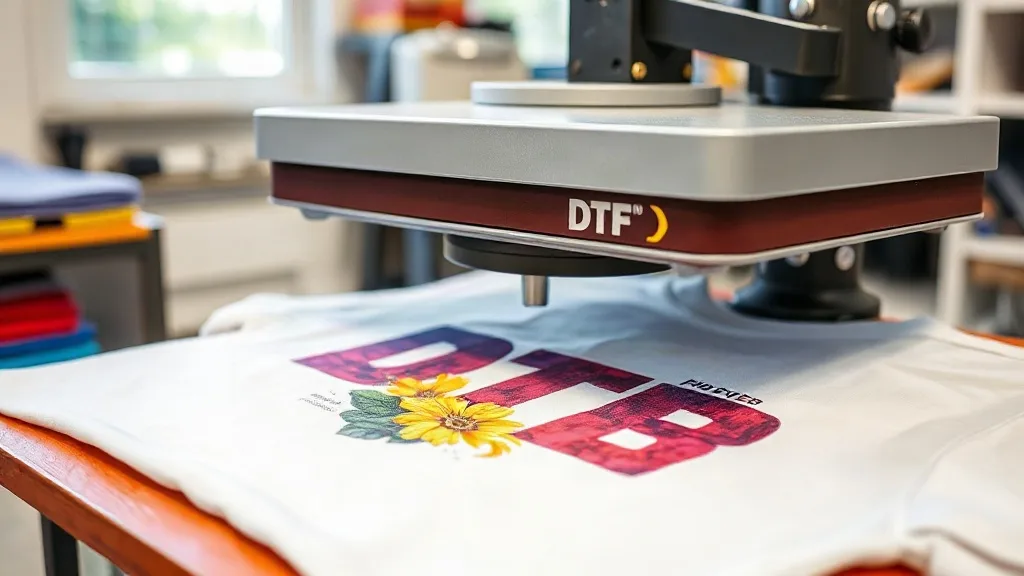
If you've been exploring custom apparel printing, you've likely come across the term dtf. Direct-to-film printing is changing the game for small businesses and creators, offering a flexible, cost-effective way to produce vibrant designs on various fabrics. In this guide, we'll walk you through everything you need to know about dtf transfers, from the basics to practical tips for getting started.
What Are DTF Transfers?
DTF transfers are a type of heat transfer that uses a special film to transfer printed designs onto fabrics. The process involves printing your design onto a PET film using specialized inks, applying a powder adhesive, and then heat-pressing the film onto the garment. Once the transfer is complete, you peel away the film, leaving a durable, vibrant print. Unlike other methods, dtf transfers don't require pre-treatment of the fabric, making them incredibly user-friendly.
One of the biggest advantages of dtf transfers is their versatility. They work on a wide range of materials, including cotton, polyester, blends, and even leather. This opens up endless possibilities for customizing t-shirts, hoodies, tote bags, and more. Whether you're a hobbyist or a growing business, dtf transfers offer a reliable way to bring your designs to life.
Why Choose DTF Transfers Over Other Printing Methods?
When it comes to custom apparel, there are several printing methods to consider: screen printing, heat transfer vinyl (HTV), direct-to-garment (DTG), and dtf transfers. Each has its pros and cons, but dtf transfers stand out for several reasons.
- No color limitations: Unlike screen printing, which requires separate screens for each color, dtf transfers can reproduce full-color designs with gradients and fine details in a single pass.
- Works on various fabrics: While DTG is mostly limited to cotton, dtf transfers adhere well to cotton, polyester, and blends, giving you more flexibility.
- Durability: When applied correctly, dtf transfers are highly durable and can withstand repeated washing without cracking or fading.
- Cost-effective for small batches: Screen printing becomes economical only at high volumes, but dtf transfers are affordable even for one-off designs.
- Easy to use: With a heat press and a little practice, you can achieve professional results without extensive training.
These benefits make dtf transfers an excellent choice for startups, crafters, and anyone looking to create custom apparel without a huge upfront investment.
How to Get Started with DTF Transfers
Getting started with dtf transfers is straightforward. Here's a step-by-step overview of the process.
1. Design Your Artwork
Create your design using graphic software like Adobe Photoshop, Illustrator, or free alternatives like Canva. Ensure your design is high resolution (300 DPI) and in CMYK color mode for optimal printing. Remember that dtf transfers can handle intricate details, so feel free to include fine lines and small text.
2. Print on DTF Film
You'll need a DTF printer and DTF film. Print your design onto the film using DTF inks. If you don't have a printer, many online services offer DTF printing, and you can order transfers ready to press.
3. Apply Adhesive Powder
While the ink is still wet, sprinkle the adhesive powder evenly over the print. Shake off the excess, then cure the powder using a heat gun or in an oven. This step is crucial for the transfer to bond with the fabric.
4. Heat Press the Transfer
Set your heat press to the recommended temperature (usually around 300-320°F) and pressure. Place the transfer on the garment and press for 10-15 seconds. Then, peel the film off either hot or cold, depending on the film type. Your design is now permanently affixed!
5. Post-Pressing
For added durability, some recommend a second press with a Teflon sheet for a few seconds. This ensures the adhesive fully sets.
While the process may seem technical, it's quite forgiving. With a bit of practice, you'll be producing high-quality dtf transfers in no time.
Common Applications of DTF Transfers
DTF transfers are used in a variety of settings. Here are some popular applications:
- Custom T-shirts: Create personalized tees for events, teams, or resale.
- Hoodies and Sweatshirts: Add logos or designs to warm apparel.
- Tote Bags: Personalize eco-friendly bags for promotions or retail.
- Corporate Uniforms: Brand workwear with company logos.
- Sports Jerseys: Print names and numbers for sports teams.
- Promotional Items: Customize items like aprons, caps, and more.
The versatility of dtf transfers means you can apply them to almost any fabric item, making them a go-to solution for personalized products.
Tips for Successful DTF Printing
To ensure your dtf transfers look great and last long, follow these tips:
- Choose quality materials: Use reputable DTF film, ink, and powder. Cheap supplies can lead to poor adhesion and faded prints.
- Maintain your printer: Regular cleaning and maintenance prevent clogs and ensure consistent output.
- Test your settings: Every heat press is different. Experiment with temperature, pressure, and time to find what works best for your setup.
- Store transfers properly: Keep unused transfers in a cool, dry place to prevent them from sticking together or losing adhesive properties.
- Wash garments inside out: To prolong the life of your prints, advise customers to wash inside out in cold water and avoid harsh detergents.
By following these practices, you'll achieve professional-looking results that impress your customers.
Frequently Asked Questions About DTF Transfers
How long do DTF transfers last?
With proper application and care, dtf transfers can last as long as the garment itself. They are resistant to cracking, peeling, and fading, even after multiple washes.
Can I use DTF transfers on dark fabrics?
Absolutely! DTF transfers include a white ink layer that makes colors pop on dark backgrounds. This is a major advantage over DTG printing, which often requires a white underbase.
Do I need a special printer for DTF?
Yes, DTF printing requires a printer that uses DTF inks and can handle PET film. However, if you don't want to invest in a printer, you can order pre-printed transfers from various suppliers.
What's the difference between DTF and DTG?
DTG (direct-to-garment) prints directly onto the fabric, while DTF involves printing onto a film and then transferring. DTF works on more fabric types and often produces more vibrant colors on dark garments.
Is DTF printing cost-effective for small businesses?
Yes, dtf transfers are very cost-effective for small batches and custom orders. There's no minimum order quantity, and the supplies are relatively affordable compared to other methods.
Whether you're a seasoned printer or just starting out, dtf transfers offer a flexible and profitable way to create custom apparel. With the right knowledge and tools, you can tap into this growing market and bring your creative ideas to life.