
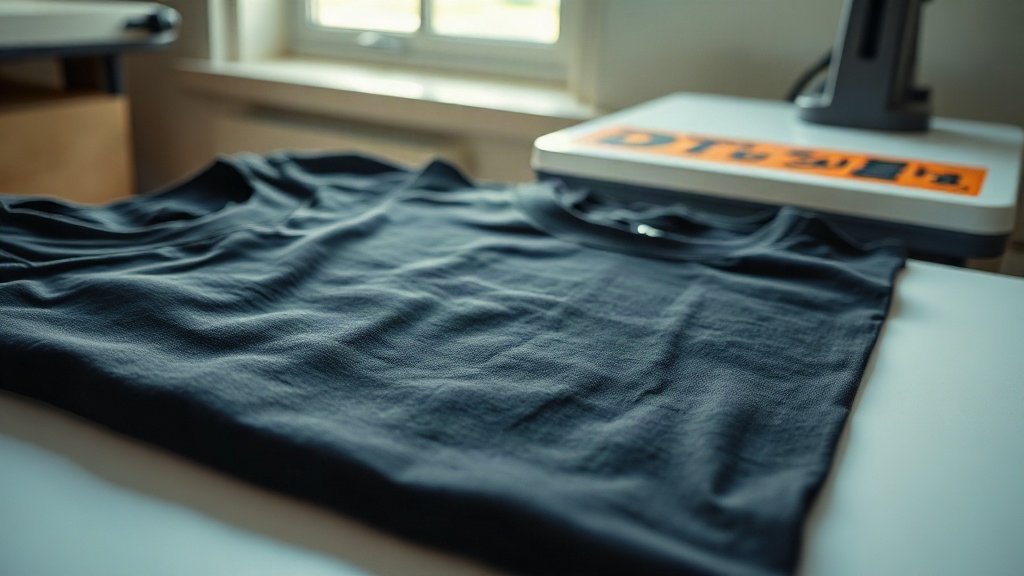
When you pull a freshly printed shirt off your heat press, the last thing you want is a print that cracks after two washes or a fabric that feels like sandpaper. If you have been experimenting with DTF (direct-to-film) printing, you know that the blank you choose can make or break the final product. That is where Shaka Wear comes in. This California-based brand has quietly become a favorite among screen printers, DTF enthusiasts, and streetwear brands for one simple reason: their blanks are consistent, comfortable, and take transfers like a dream.
In this article, I will walk you through what makes Shaka Wear a smart choice for DTF printing, how their fabrics behave under a heat press, and some hands-on tips I have picked up after pressing dozens of these shirts. Whether you are printing for a client, a small brand, or just for fun, you will find something useful here.
Why Shaka Wear Blanks Stand Out for DTF Printing
DTF printing demands a smooth, stable surface. Loose weaves, heavy dyes, or inconsistent fabric blends can cause the transfer to look dull, feel stiff, or peel prematurely. Shaka Wear addresses these issues head-on with a lineup that prioritizes cotton-rich fabrics and tight knitting. Their tees, hoodies, and tank tops are mostly 100% cotton or cotton-poly blends, which are ideal for DTF because the adhesive powder bonds well with natural fibers.
Another standout feature is the weight. Many Shaka Wear styles, like the popular SHASS01 tee, sit in the 5.5 to 6.5 oz range. That mid-to-heavyweight feel gives the shirt a premium hand while providing a stable base for the transfer. Lighter blanks can shift or wrinkle during pressing, but these hold their shape, making it easier to achieve a flat, even application.
Fabric Composition and DTF Compatibility
Not all cotton is created equal. Shaka Wear uses ring-spun cotton in many of their tees, which means the fibers are combed and twisted for a smoother, stronger yarn. This translates to a softer surface that accepts the DTF film without the print sinking into a rough texture. For blends, their 50/50 tees (cotton/poly) are also DTF-friendly, though you may notice slightly different vibrancy because polyester can cause dye migration with some inks. In my experience, the 100% cotton options yield the most predictable results.
If you are printing on darker colors, pay attention to the fabric dye. Shaka Wear uses reactive dyes on their cotton tees, which are less likely to bleed or migrate under heat. That is a huge plus for DTF, where a white underbase is often used to make colors pop. A stable dye job means your white base stays white, not tinted by the shirt color.
Popular Shaka Wear Styles for DTF Projects
Here are a few styles that consistently perform well with DTF transfers:
- SHASS01 – A 6.0 oz, 100% cotton tee with a classic fit. It is a workhorse for everyday prints.
- SHASS02 – Similar weight but with a slightly tapered fit, great for fashion-forward designs.
- SHMHSS – A 7.5 oz heavyweight tee that feels substantial and holds large prints without sagging.
- SHF53 – A 50/50 blend hoodie that is soft and takes DTF on the chest and sleeves beautifully.
These are just a few examples. The key is to test a sample before committing to a large order. Every heat press behaves differently, and fabric blends can shift results.
How to Achieve Flawless DTF Prints on Shaka Wear
Even with great blanks, technique matters. Over the years, I have developed a set of practices that consistently produce vibrant, durable prints on Shaka Wear garments. Below are the steps I follow, along with some troubleshooting tips.
Pre-Press Preparation
Always pre-press the garment for 5 to 7 seconds at your transfer temperature (usually around 300°F to 320°F). This removes moisture and wrinkles, and it also pre-shrinks the fabric slightly. Shaka Wear tees are pre-shrunk, but a quick pre-press ensures a perfectly flat surface. Do not skip this step; moisture is the enemy of DTF adhesion.
Temperature, Pressure, and Time
For most DTF films, I set my press to 310°F with medium-heavy pressure (around 40-50 PSI) for 12 to 15 seconds. Shaka Wear's cotton tees handle this range well. If you go too hot, the fabric can scorch; too cool, and the adhesive won't fully activate. I recommend doing a test press on a scrap piece of the same fabric to dial in your settings.
Pressure is equally important. You want even pressure across the entire transfer. If your press has a pressure gauge, aim for a firm press that slightly compresses the fabric but does not flatten it completely. Uneven pressure leads to cold spots where the print may peel.
Peeling and Post-Press Care
After pressing, let the transfer cool completely before peeling the film. This is often called "cold peel." Rushing this step can cause the design to lift or crack. Once peeled, I like to do a second press with a Teflon sheet or parchment paper for 5 seconds to smooth the print and ensure full adhesion. This extra step makes a noticeable difference in durability.
For washing, advise your customers to turn the garment inside out and wash in cold water. Avoid fabric softener and tumble dry on low. Following these care instructions, prints on Shaka Wear blanks can last 50+ washes without fading or cracking.
Common Challenges and How to Overcome Them
DTF printing is not without its quirks. Here are a few issues I have encountered with Shaka Wear blanks and how I resolved them.
- Dye migration on dark poly blends: If you are printing on a dark 50/50 hoodie, use a DTF film with a high-opacity white layer or consider a low-bleed underbase. Shaka Wear's cotton tees are less prone to this, but blends require extra care.
- Print stiffness: Sometimes a thick transfer can feel stiff on lighter tees. To minimize this, use a thinner film or reduce the amount of adhesive powder. Also, ensure you are not over-pressing, which drives the ink deeper into the fabric.
- Adhesion issues after washing: This usually stems from insufficient pressure or moisture during pressing. Double-check your pre-press and pressure settings. A second press after peeling also helps.
These challenges are manageable with a bit of practice. The reward is a professional-looking garment that feels great and lasts.
Why Shaka Wear Is a Smart Choice for Your Brand
If you are building a clothing brand or printing for clients, consistency is key. Shaka Wear offers consistent sizing, color availability, and fabric quality across batches. That means the shirt you print today will match the one you print six months from now. Their blanks are also affordable, which helps keep your margins healthy without sacrificing quality.
Moreover, Shaka Wear has a reputation in the streetwear and workwear communities. Using their blanks can lend a certain credibility to your product. Customers recognize the brand's quality, and that positive association can boost perceived value.
From a practical standpoint, their garments are available through major distributors, so restocking is rarely a hassle. You can focus on printing and selling rather than chasing inventory.
Frequently Asked Questions
Is Shaka Wear good for DTF printing?
Yes, Shaka Wear blanks are excellent for DTF printing. Their cotton-rich fabrics and tight weaves provide a smooth surface that accepts transfers well. The mid-to-heavyweight options offer stability during pressing, and the consistent quality means reliable results batch after batch.
What temperature should I use for DTF on Shaka Wear shirts?
Most DTF films recommend 300°F to 320°F. For Shaka Wear cotton tees, I suggest starting at 310°F with medium-heavy pressure for 12-15 seconds. Always test with a sample to find the sweet spot for your specific press and film.
Do Shaka Wear blanks shrink after washing?
Shaka Wear garments are pre-shrunk, but you may still see minimal shrinkage (around 2-3%) if washed in hot water and dried on high heat. To minimize shrinkage, wash cold and tumble dry low. This also helps preserve the DTF print.
Can I use DTF on Shaka Wear hoodies?
Absolutely. Shaka Wear hoodies, especially the 50/50 blends, work well with DTF. Just be mindful of dye migration on dark colors. Use a high-opacity film or a low-bleed underbase for best results. Pre-press the hoodie to remove moisture and wrinkles before applying the transfer.
Where can I buy Shaka Wear blanks?
Shaka Wear blanks are available through various wholesale distributors and online retailers. You can also check the official Shaka Wear website for a list of authorized dealers. Buying from reputable sources ensures you get authentic products with consistent quality.