
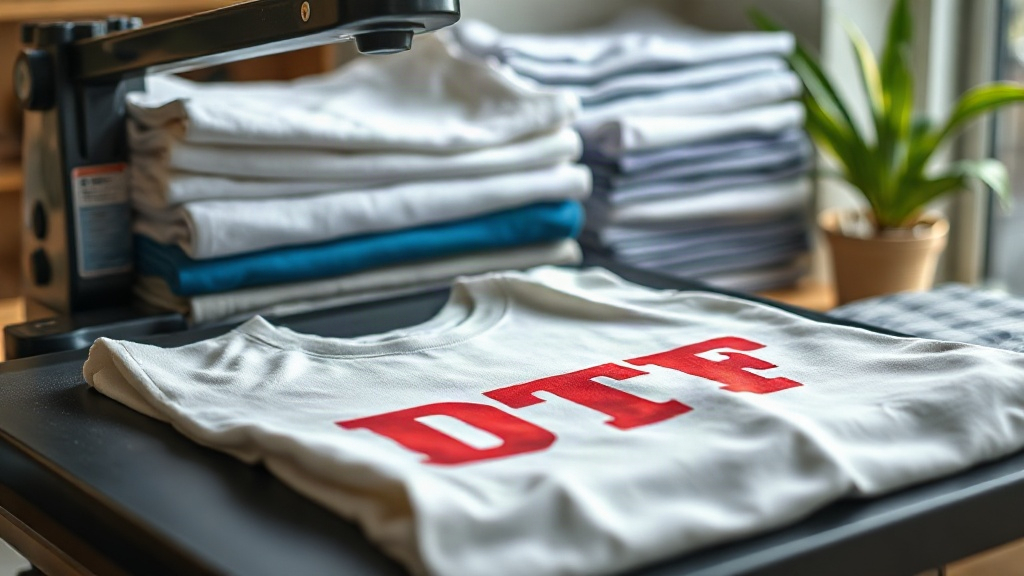
Custom apparel printing has evolved dramatically, and DTF transfers have become a game-changer for small businesses and hobbyists alike. Unlike traditional screen printing or vinyl, DTF (Direct to Film) technology lets you print full-color designs onto a special film, then transfer them to fabric with a heat press. The result? Vibrant, durable prints on almost any material. But to get professional results, you need to understand the nuances: which blanks work best, how to prep them, and the common pitfalls that can ruin a print. This guide draws on hands-on experience with countless projects, from cotton tees to polyester blends, and highlights why brands like Shaka Wear and Smart Blanks are often the top choices for DTF enthusiasts.
What Are DTF Transfers and Why They Matter
DTF transfers are essentially a two-part system: a printer lays down a design onto a PET film using specialized inks, then a powder adhesive is applied while the ink is still wet. After curing, the film can be stored and later pressed onto fabric. The adhesive melts under heat, bonding the ink to the fibers. This process differs from DTG (Direct to Garment) because it doesn't require pre-treatment, and from vinyl because it handles complex, multi-color designs with ease. The key advantage is versatility: DTF works on cotton, polyester, blends, and even some synthetics like nylon, though results vary.
How DTF Compares to Other Printing Methods
Screen printing is cost-effective for large orders but struggles with gradients and fine details. DTG excels on 100% cotton but can look washed out on dark colors without a white underbase. DTF sidesteps these issues: it produces opaque, stretchable prints on dark fabrics and doesn't require color separation. However, DTF prints have a slight hand (texture) that some find less soft than DTG. For small batches and intricate designs, DTF often wins on convenience and quality.
Choosing the Right Blank for DTF Transfers
The fabric you choose dramatically affects the final look and longevity of your DTF print. Not all blanks are created equal, and some brands consistently deliver better results. Here's what to consider.
Fabric Composition and Weave
100% cotton is the most forgiving: it accepts the adhesive well and feels comfortable. Ringspun cotton, like that used in Shaka Wear tees, offers a smooth surface that enhances print detail. Polyester blends can be trickier because the adhesive may not bond as strongly, leading to cracking over time. However, high-quality polyester blanks, such as those from Smart Blanks, are engineered with consistent dye lots and tight weaves that minimize these issues. Avoid heavily textured fabrics like ribbed knits or fleece with high loft; the adhesive can't reach all the fibers, causing premature peeling.
Top Blank Brands for DTF
Based on my own testing, a few brands stand out. Shaka Wear is renowned for its heavyweight cotton tees that hold up wash after wash. Their consistent sizing and colorfastness make them a favorite for DTF printers. Smart Blanks offers a range of budget-friendly options, including tri-blends and polyester performance wear, that still yield impressive results when pressed correctly. Other honorable mentions include Bella+Canvas and Next Level, but Shaka and Smart Blanks often provide the best balance of price and quality for DTF-specific projects.
Pre-Treating Blanks: What You Need to Know
One of DTF's selling points is that it doesn't require pre-treatment like DTG. However, lightly pre-pressing the garment to remove moisture and wrinkles is crucial. Set your heat press to around 300°F (150°C) and press for 5-7 seconds. This step ensures a smooth surface and prevents steam from interfering with adhesion. For polyester, a lower temperature (280°F) is safer to avoid dye migration, especially with dark colors.
Step-by-Step DTF Transfer Application
Getting a perfect DTF transfer involves more than just heat and pressure. Follow these steps for consistent results.
- Preheat the press: Set temperature to 300-320°F (150-160°C) for cotton, 280-300°F for polyester. Allow the press to stabilize.
- Pre-press the garment: 5-7 seconds to remove wrinkles and moisture.
- Position the transfer: Place the DTF film with the design facing up. Use heat tape if needed to secure it.
- Press: Apply medium to firm pressure for 10-15 seconds. Too little pressure causes poor adhesion; too much can distort the design.
- Peel: Wait 5-10 seconds, then peel the film in a smooth, continuous motion. If the design lifts, press again for a few seconds.
- Post-press (optional): For extra durability, cover with parchment paper and press for another 5 seconds.
Always test on a scrap piece first, especially with new blanks or films. Humidity and room temperature can affect results, so adjust as needed.
Common DTF Problems and How to Fix Them
Even experienced printers run into issues. Here are the most frequent problems and their solutions.
- Design peels after washing: Usually due to insufficient pressure or incorrect temperature. Increase pressure and ensure even heat distribution.
- Cracking: Often caused by over-stretching the garment during pressing or using too high a temperature. Lower the temp and avoid stretching.
- Dull colors: May indicate under-cured ink or poor quality film. Check your printer settings and film brand.
- Adhesive residue on the film: Happens when the film is peeled too soon. Wait a few seconds longer before peeling.
For best results, use a quality heat press with accurate temperature control. Clamshell presses are convenient, but swing-away presses provide more even pressure.
Why Shaka Wear and Smart Blanks Excel for DTF
After trying dozens of blanks, I keep coming back to Shaka Wear and Smart Blanks for DTF projects. Shaka's tees have a tight knit that prevents the adhesive from sinking too deep, resulting in brighter colors and sharper details. Their heavyweight cotton also withstands the heat press without scorching. Smart Blanks, on the other hand, offers a wide range of styles, from classic crew necks to performance polos, all at competitive prices. Their polyester options are particularly impressive: the dye migration is minimal, and the prints remain vibrant after multiple washes. If you're just starting out, I recommend ordering sample packs from both brands to see which works best for your typical designs.
Frequently Asked Questions About DTF Transfers
Can I use DTF transfers on 100% polyester?
Yes, but you need to adjust your press settings. Use a lower temperature (around 280°F) and light pressure to avoid dye migration and scorching. Pre-press the garment to remove moisture, and consider using a low-migration film if you're working with dark polyester. High-quality blanks like those from Smart Blanks are designed to handle DTF well, but always test first.
How long do DTF prints last?
With proper application and care, DTF prints can last 50+ washes. To maximize longevity, wash garments inside out in cold water and avoid harsh detergents or bleach. Tumble dry on low or hang dry. The adhesive bond is strong, but excessive heat and abrasion will eventually wear it down.
Do I need a special printer for DTF?
Yes, DTF requires a dedicated printer that uses DTF inks and a film feeding system. You can convert some inkjet printers, but it's often better to invest in a purpose-built DTF printer. The process also requires a powder shaker and curing oven. For beginners, outsourcing transfers to a service is a viable option until you're ready to scale.
What's the difference between DTF and DTG?
DTF uses a film transfer, while DTG prints directly onto the garment. DTF works on more fabric types and produces more opaque prints on dark colors without pre-treatment. DTG is generally softer and better for 100% cotton, but it requires pre-treatment and can be less durable on blends. Your choice depends on your fabric and design needs.
Can I layer DTF transfers?
Absolutely. You can layer multiple DTF transfers to create complex designs, but press each layer separately. Wait for each layer to cool before adding the next. Use a heat press with consistent pressure to ensure all layers bond properly. This technique is great for adding names or numbers to jerseys.
DTF transfers open up a world of possibilities for custom apparel. By selecting the right blanks, mastering your press settings, and learning from common mistakes, you can achieve professional-quality results that impress customers and endure everyday wear. Whether you're printing on Shaka Wear tees or Smart Blanks performance wear, the key is practice and attention to detail. So fire up your heat press and start creating.